Life Safety
Solutions would like to welcome
you to our website.
Life Safety Solutions strives to
provide a stress free learning
environment and will give you the
highest quality and cost
effective health and safety
products, training, sales, consulting and
program management. By
providing high quality, cost
effective, comprehensive safety,
healthcare training and
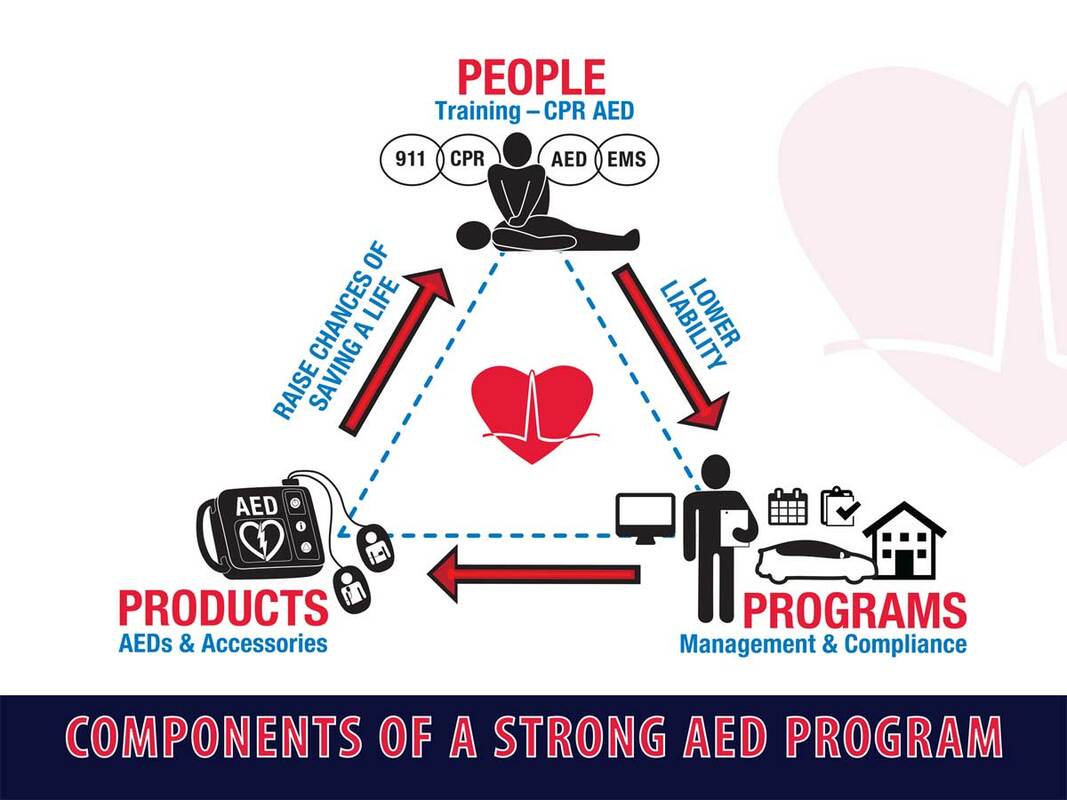
consulting we aim to increase
the chance of saving a life
while decreasing liability.
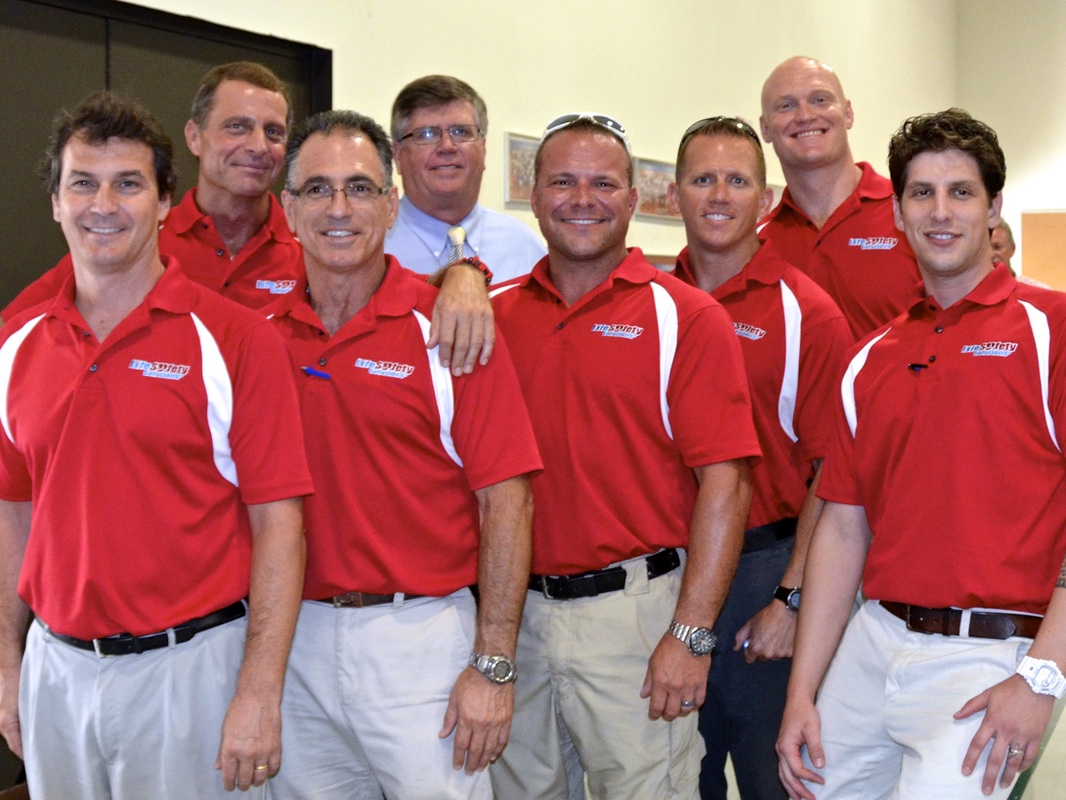
Our staff is comprised of
Healthcare Professionals who are
able to personally relay life
saving capabilities from
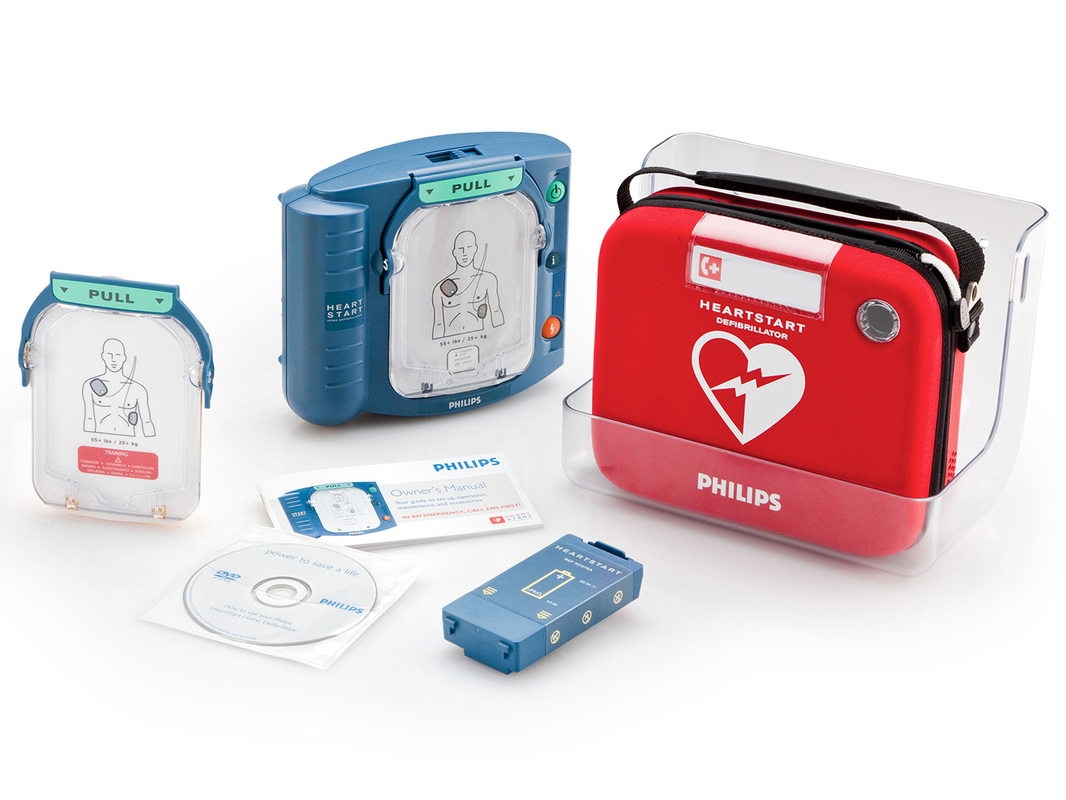
Automatic External
Defibrillator. LSS offers
training in a variety of related
health and safety areas, we are
the leader in AED training
and management.
We invite
you to read more about our
company and our services on our
website. For more information,
please feel free to
contact
us.
|
Hands-Only CPR(Compression-Only)
After the
American Heart Association
announced March 31 that
compression only cardiopulmonary
resuscitation can be just as
reliable as traditional CPR in
saving one's life, the
traditional method will continue
to be taught in our classes.
Class participants have begun
asking about the hands-only
version only within the past
week since the Heart Association
made its announcement.
People are afraid to put their
mouths on someone else's mouth
without having proper
protection. We have said in all
our training classes, if you
can't put your mouth on someone
else's, just do compressions.
The hands-only CPR is being
encouraged by the Heart
Association for any bystander
who witnesses an adult
suffer cardiac arrest or
collapse and stop breathing.
Individuals helping a cardiac
arrest victim with
compression-only CPR should give
100 chest compressions per
minute. Hands-only CPR should
not be given to infants or
children.
Our training session teaches the
same CPR ratio of two breaths
followed by 30 compressions for
adults, children and infants.
We suggests the hands-only
option only as back-up method.
Individuals not trained in CPR
should use hands-only CPR until
emergency personnel arrive. If
you see something happen, call
911 and then do chest
compressions.
The
American Heart Association is
still encouraging everyone to be
trained for conventional CPR.
|